
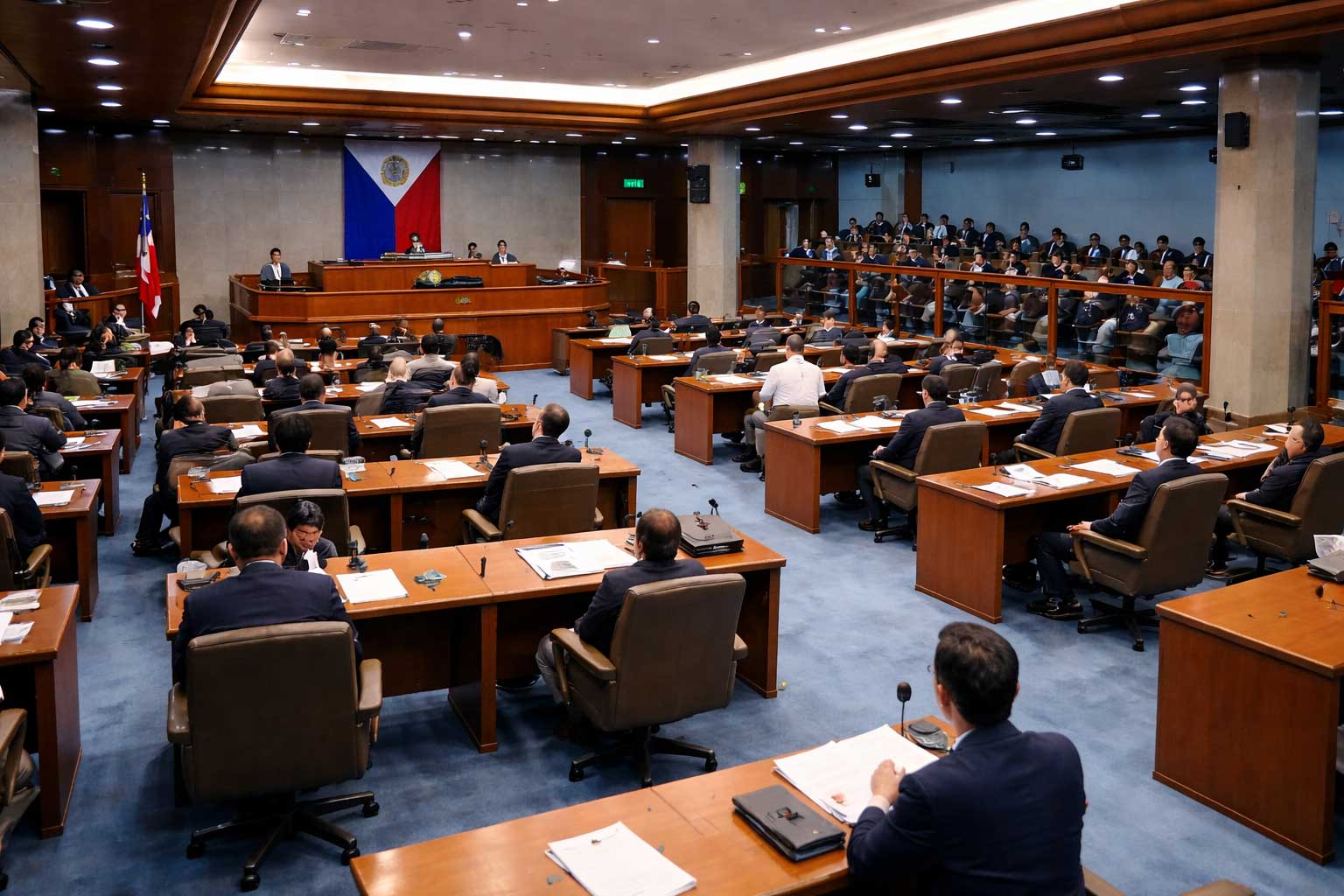
20th Congress SB 190 Proposes Abolition of PDEA and Dangerous Drugs Board
MANILA, Philippines — Senate Bill No. 190 in the 20th Congress, filed on July 7, 2025, seeks to amend Article IX of Republic Act No. 9165 and create a Presidential Drug Enforcement Authority, effectively abolishing the Philippine Drug Enforcement Agency (PDEA) and the Dangerous Drugs Board (DDB).
The bill, formally titled “An Act Amending Article IX of Republic Act 9165, Otherwise Known as the Comprehensive Dangerous Drugs Act of 2002, and Creating the Presidential Drug Enforcement Authority, and for Other Purposes,” was authored by Senate President Vicente “Tito” C. Sotto III.
According to official Senate records, the measure has been referred to the Committee on Public Order and Dangerous Drugs as the primary committee, with the Committees on Justice and Human Rights and on Finance as secondary committees. As of July 30, 2025, the bill remains pending in committee.
Key Provisions of the Measure
Senate Bill No. 190 proposes consolidating the enforcement, prosecution support, prevention, and rehabilitation functions currently distributed between PDEA and the DDB into a single authority directly supervised by the Office of the President.
Under the existing Comprehensive Dangerous Drugs Act of 2002, the Dangerous Drugs Board serves as the national policy-making body on drug prevention and control, while PDEA functions as the implementing arm responsible for anti-drug enforcement operations.
The proposed Presidential Drug Enforcement Authority (PRDEA) would absorb the mandates, personnel, assets, and ongoing programs of both agencies. The measure contains transitional provisions intended to ensure continuity of investigations, enforcement activities, and administrative functions.
Committee Deliberations
During committee hearings in February 2026, representatives from PDEA and the DDB presented their positions on the proposed restructuring.
PDEA officials raised concerns about institutional continuity and potential operational disruptions during a transition period. They emphasized strengthening existing structures rather than abolishing the agency.
DDB officials expressed reservations regarding policy continuity and administrative adjustments that could arise from a major restructuring of the current anti-drug framework.
Senate President Sotto, in presenting the bill, argued that consolidating enforcement and policy supervision under a single authority would improve coordination and accountability within the government’s anti-drug strategy.
Proposed Amendments to Section 21
The bill also includes amendments to Section 21 of Republic Act No. 9165, which governs the chain-of-custody requirements for seized drugs.
Among the proposed changes are adjustments to witness requirements during inventory procedures and expanded use of technology, such as body-worn cameras, to preserve the integrity of evidence. The measure seeks to address concerns raised in previous court rulings involving procedural compliance in drug cases.
Legislative Process
For Senate Bill No. 190 to become law, it must secure a favorable committee report, pass second and third readings in the Senate, be reconciled with a counterpart House measure if necessary, and be signed by the President.
As of the latest official status, the bill remains pending before the committees.



Leave A Comment