
ICC Hearing: Duterte Defense Says ‘Neutralize’ Meant Arrest
THE HAGUE, Netherlands — Former Philippine President Rodrigo Duterte’s legal team argued on Friday, Feb. 27, 2026, that the term “neutralize,” frequently cited in the prosecution’s case before the International Criminal Court (ICC), referred to lawful arrest and restraint — not a directive to kill — as the confirmation of charges hearing entered its final defense stage.
The proceedings took place before ICC Pre-Trial Chamber I, which is reviewing whether sufficient evidence exists to confirm charges of crimes against humanity linked to the Philippines’ anti-drug campaign during Duterte’s presidency.
Defense argument on terminology
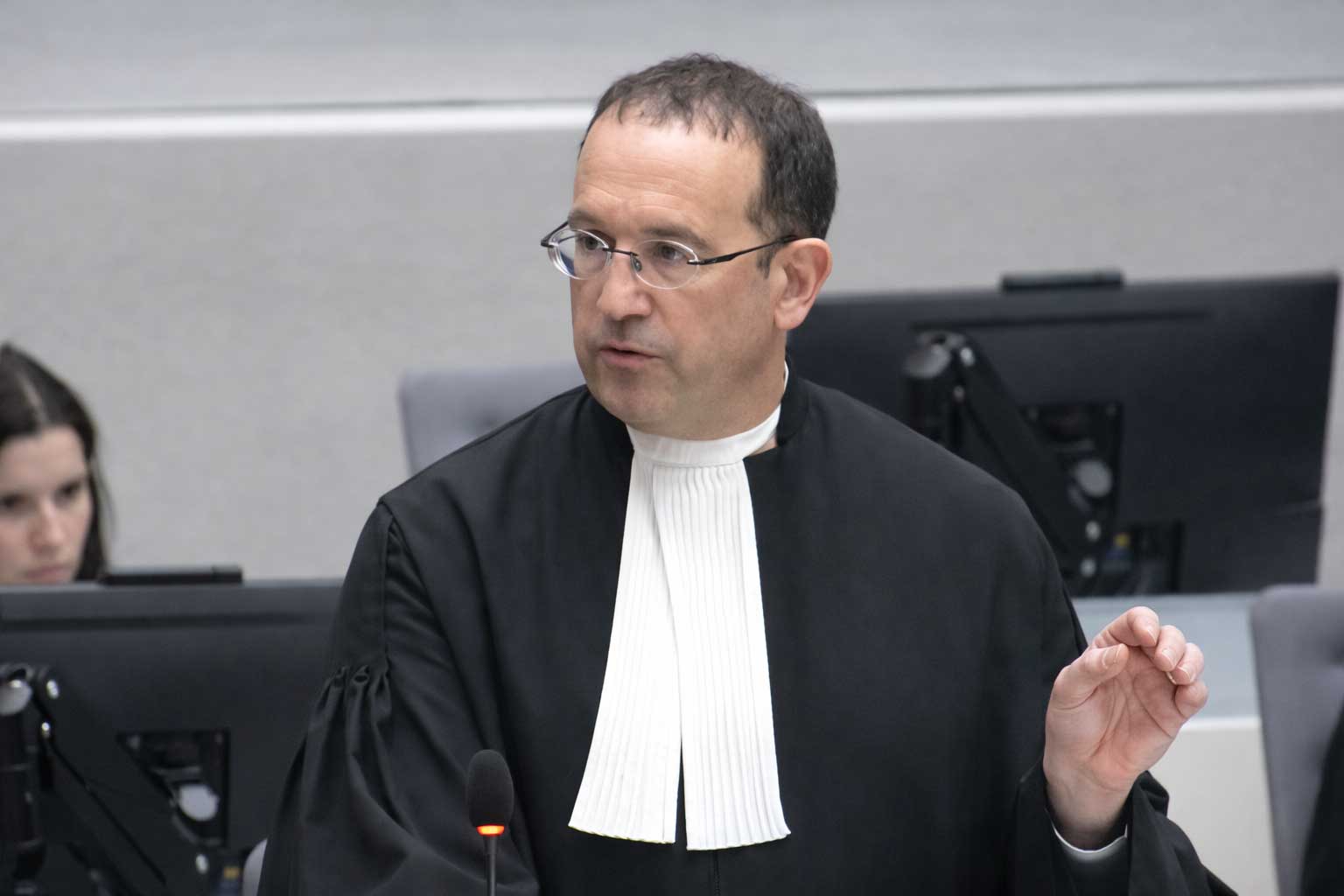
Defense counsel Nicholas Kaufman told the chamber that the prosecution had mischaracterized the meaning of “neutralize,” arguing that witness testimony did not support the interpretation that the term constituted an order to carry out extrajudicial killings.
According to the defense, the word was used operationally to mean “arrest and subdue” suspects in accordance with law enforcement procedures. Kaufman cited portions of prosecution witness testimony and referred to definitions contained in Philippine National Police manuals.
He also referenced prior Philippine Supreme Court discussions, asserting that domestic legal interpretation did not equate “neutralize” with killing.
The defense further argued that the prosecution failed to establish the existence of a coordinated “common plan” to systematically target civilians, a key element in the ICC’s crimes against humanity framework.
Prosecution’s position
The ICC Office of the Prosecutor alleges that Duterte and alleged co-perpetrators implemented a policy that resulted in widespread killings of individuals suspected of involvement in illegal drugs.
According to the prosecution’s submissions, patterns of police operations and documented fatalities across multiple regions demonstrate what it describes as a coordinated attack directed against a civilian population.
Prosecutors have maintained that the scale and consistency of the killings indicate more than isolated incidents, forming part of what they characterize as a broader state policy.
The confirmation hearing is not a trial but determines whether the case proceeds to the next phase.
Victims’ counsel respond
Lawyers representing victims challenged the defense’s interpretation of “neutralize,” arguing in prior submissions that the terminology must be viewed within the broader operational context of the anti-drug campaign.
Victims’ representatives have maintained that public statements by officials and patterns of enforcement actions contributed to what they describe as a climate in which lethal outcomes became widespread.
They have urged the chamber to consider documentary evidence, witness accounts, and statistical data presented by the prosecution in assessing whether the threshold for confirmation of charges has been met.
ICC jurisdiction and case background
The ICC’s jurisdiction covers alleged crimes committed while the Philippines was still a party to the Rome Statute, prior to its withdrawal in March 2019.
The current proceedings focus on incidents that allegedly occurred between 2016 and 2019, when thousands of deaths were recorded in police anti-drug operations, according to Philippine government data and human rights organizations.
The Pre-Trial Chamber will determine whether there are substantial grounds to believe that Duterte committed the crimes charged. If confirmed, the case would proceed to trial.
Parallel developments in Manila
As the ICC proceedings continue in The Hague, separate legal developments are unfolding in Manila.
The Office of the Ombudsman and the National Bureau of Investigation are reviewing complaints involving 18 individuals who surfaced claiming to have acted as “bagmen” in alleged payoff schemes related to drug war operations.
Lawyers representing the group have submitted affidavits seeking investigations into lawmakers allegedly linked to financial transactions tied to the anti-drug campaign.
The Philippine Marine Corps has publicly disputed claims that the group represented former Marines, stating that only a limited number had prior service and that those individuals had already been separated from the armed forces.
Several public officials named in the allegations have denied wrongdoing. Senator Leila de Lima has publicly rejected claims linking her to alleged payoffs and has indicated plans to pursue legal remedies.
These domestic inquiries are separate from the ICC proceedings but add another layer of legal scrutiny connected to the broader national debate over the drug war.
What happens next
With defense submissions concluded, the Pre-Trial Chamber will now deliberate on whether the prosecution has presented sufficient evidence to confirm the charges.
A confirmation decision is expected in the coming weeks.
The ruling will determine whether the case advances to full trial proceedings before the ICC, marking the next phase in an international legal process examining the Philippines’ anti-drug campaign.
The chamber’s decision will shape the legal trajectory of the case but does not constitute a finding of guilt or innocence at this stage.


Leave A Comment