
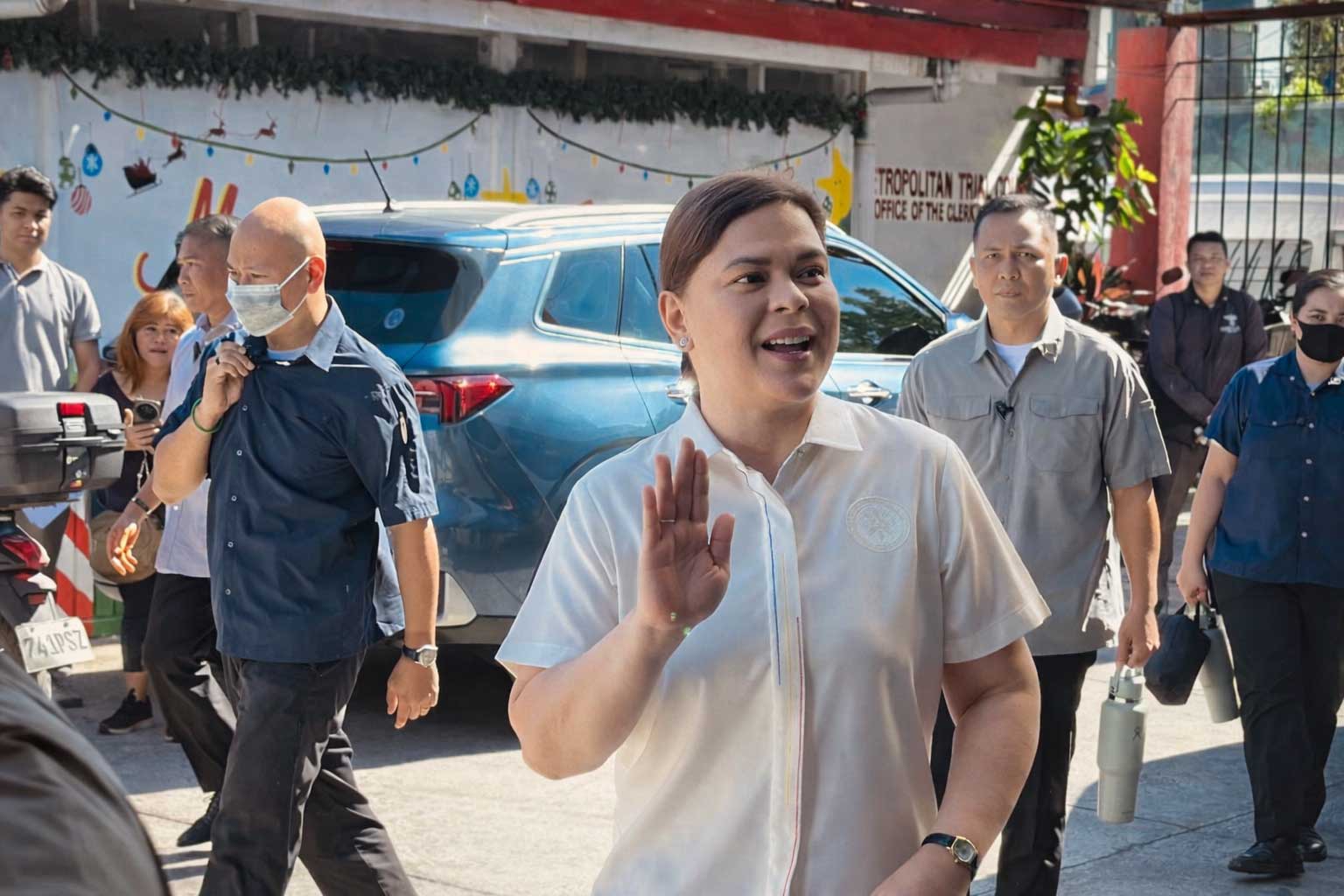
House Justice Committee Completes Deliberations on Substance of Third Impeachment Complaint Against VP Duterte
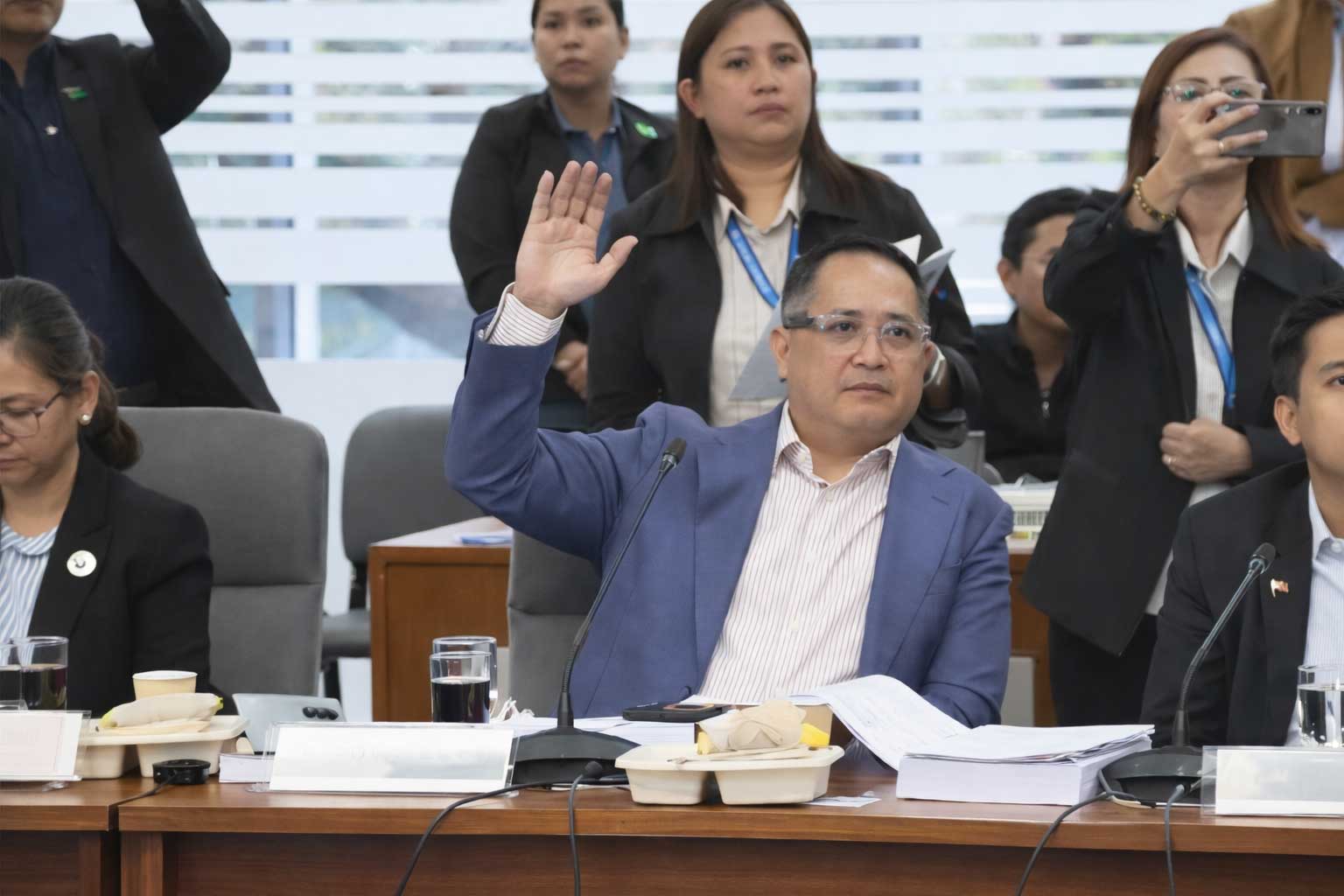
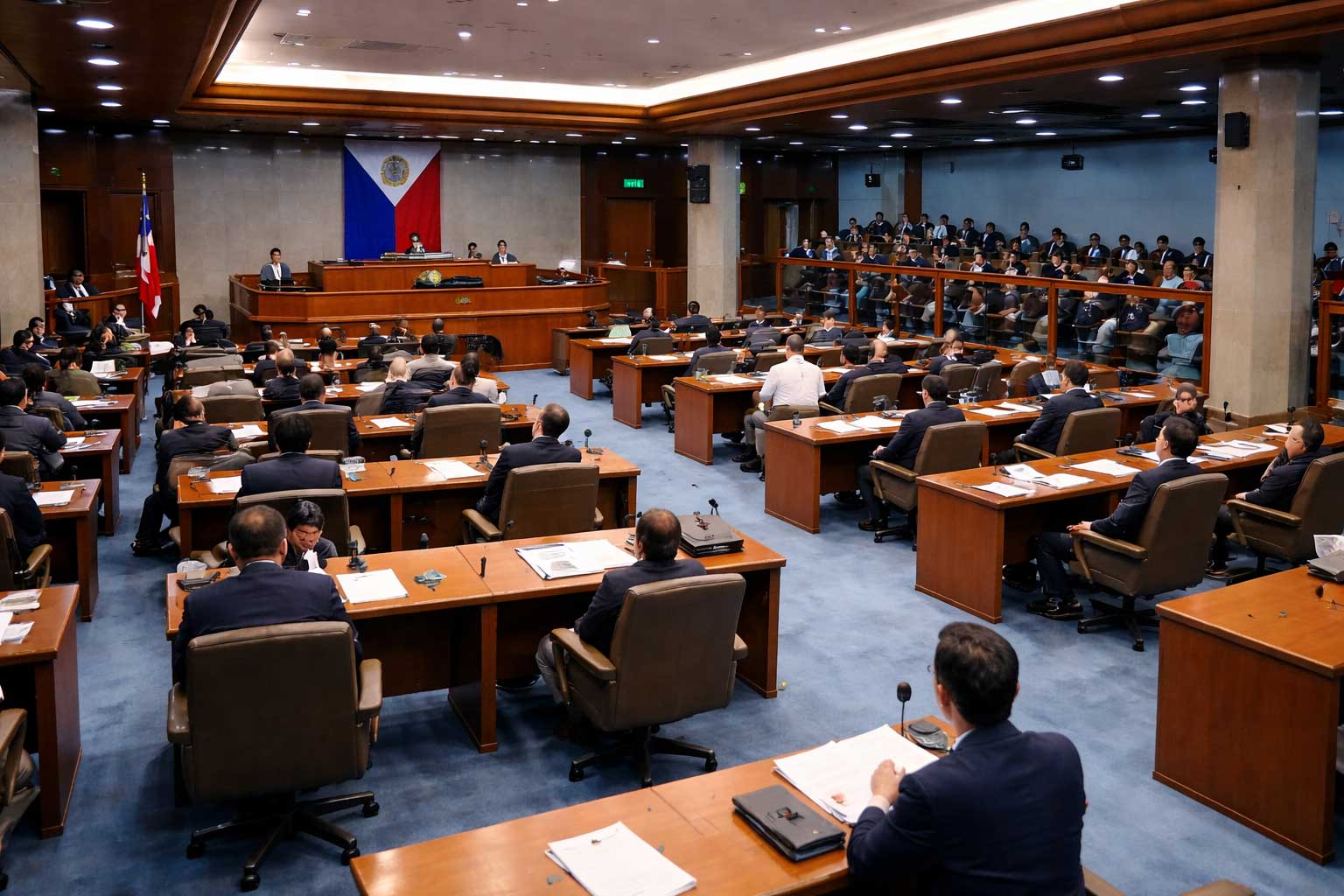
MANILA, Philippines — The House Committee on Justice concluded its marathon deliberations on Tuesday, March 3, 2026, regarding the sufficiency in substance of the third impeachment complaint filed against Vice President Sara Duterte. The hearing, which lasted over five hours, centered on allegations of confidential fund misuse and constitutional violations, marking a critical step in the renewed efforts to remove the country’s second-highest official following a previous legal setback in 2025.
Key Developments
The committee, chaired by Batangas Representative Gerville Luistro, focused its assessment on whether the allegations in the complaint “rise to the level of an impeachable offense” and possess enough credibility to warrant a formal trial. This third complaint, endorsed by Mamamayang Liberal (ML) Party-list Representative Leila de Lima, cites six primary grounds:
- Misuse of Confidential Funds: Alleged plunder and malversation involving P500 million in the Office of the Vice President (OVP) and P112.5 million in the Department of Education (DepEd) during Duterte’s tenure as Secretary.
- Corruption and Bribery: Allegations of irregular financial distributions within DepEd.
- Culpable Violation of the Constitution: Specifically citing public death threats made by the Vice President against President Ferdinand Marcos Jr., the First Lady, and the House Speaker.
- Betrayal of Public Trust: Failure to recognize congressional oversight during budget hearings.
- Unexplained Wealth: Alleged failure to fully disclose assets in her Statement of Assets, Liabilities, and Net Worth (SALN).
- Extrajudicial Killings: Alleged involvement in the “Davao Death Squad” during her term as Mayor of Davao City.
During the proceedings, Representative Joel Chua (Manila 3rd District) and Terry Ridon (Bicol Saro Party-list) presented evidence suggesting that P16 million in confidential funds was used for safehouse rentals over just 11 days—an expenditure Ridon noted would equate to roughly P1.36 million per month, a figure he argued was inconsistent with standard property rentals.
Defenders of the Vice President, including Quezon City 4th District Representative Bong Suntay, argued that the act of requesting confidential funds and signing vouchers is not inherently illegal. Suntay maintained that there is no direct evidence showing the Vice President personally benefited from these funds.
Why It Matters
The proceedings carry significant weight for Philippine governance and the stability of the current administration.
- Economic and Policy Impact: The ongoing political friction has affected the legislative timeline. In late 2025, the OVP’s 2026 budget was a point of contention, with the Bicameral Conference Committee eventually restoring it to P889 million after the House had previously threatened cuts due to Duterte’s refusal to attend hearings.
- Governance and Oversight: The case tests the limits of “parliamentary courtesy” and the House’s power of the purse. Representative De Lima argued that the Commission on Audit (COA) findings provide a factual basis for “direct knowledge” by the Vice President regarding the liquidation of multi-million peso funds.
- Public Interest: As Vice President Duterte has already expressed her intention to run for the presidency in 2028, the impeachment process is viewed by analysts as a defining moment for the “UniTeam” alliance that won the 2022 elections, which has since fractured into opposing factions.
Background Context
This is the second major attempt to impeach Vice President Duterte. In February 2025, the House successfully impeached her with a vote of 215–306, but the proceedings were later nullified by the Supreme Court in July 2025 due to a violation of the “one-year bar” rule. The Court ruled that no new impeachment proceedings could be initiated until February 6, 2026.
Following the lapse of this ban, four separate complaints were filed in early February 2026. The first complaint by the Makabayan Coalition was set aside on March 2, 2026, for allegedly still falling within the prohibited period, while the second complaint was withdrawn by its proponents to consolidate support for the third rap currently under review.
Analysis
The House Committee’s decision to move forward with the third complaint suggests a strategy focused on “procedural expediency.” By consolidating support behind the complaint with the most robust documentary evidence—specifically the COA audit memoranda—proponents aim to avoid the technical pitfalls that led to the 2025 Supreme Court nullification.
However, the process remains politically charged. The Vice President has consistently denied all charges, labeling the moves as “political harassment” intended to derail her 2028 presidential aspirations. The challenge for the Committee on Justice is to maintain a “neutral, constitutional process” as urged by House Speaker Bojie Dy, to avoid the perception of a “trial by publicity.”
What Happens Next
The Committee on Justice is expected to vote on the sufficiency in substance of the third and fourth complaints within the coming days. If the committee finds the complaints sufficient, it will then move to determine if there is “probable cause” to proceed.
A formal report will then be submitted to the House plenary. A vote of at least one-third of all members of the House of Representatives is required to affirm the committee’s resolution and transmit the Articles of Impeachment to the Senate for a formal trial.
The House Committee on Justice has not yet set a definitive date for the final vote on the current resolution.
Would you like me to monitor the House of Representatives schedule for the official voting date on these complaints?
House panel deliberates on VP Sara Duterte impeachment video


Leave A Comment